Out of Stock
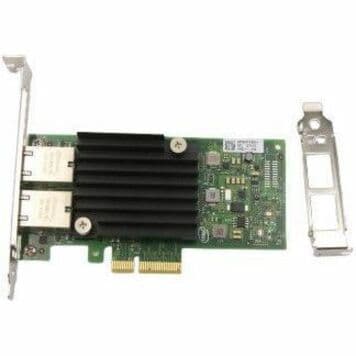
Lenovo X550-T2 10 Gb Dual-Port RJ-45 CNA PCI-E Adapter | Enterprise Ethernet
Lenovo
MPN: 00MM862
$371.80$410.33
Free shipping on orders over $500
Authorized Dealer — Full manufacturer warranty
Key Features
- 10 Gigabit Ethernet connectivity
- 2 x RJ-45 network ports
- PCI-E host interface
- CNA adapter class
- Copper Ethernet design
- Lenovo X550-T2 model
- Internal expansion form factor
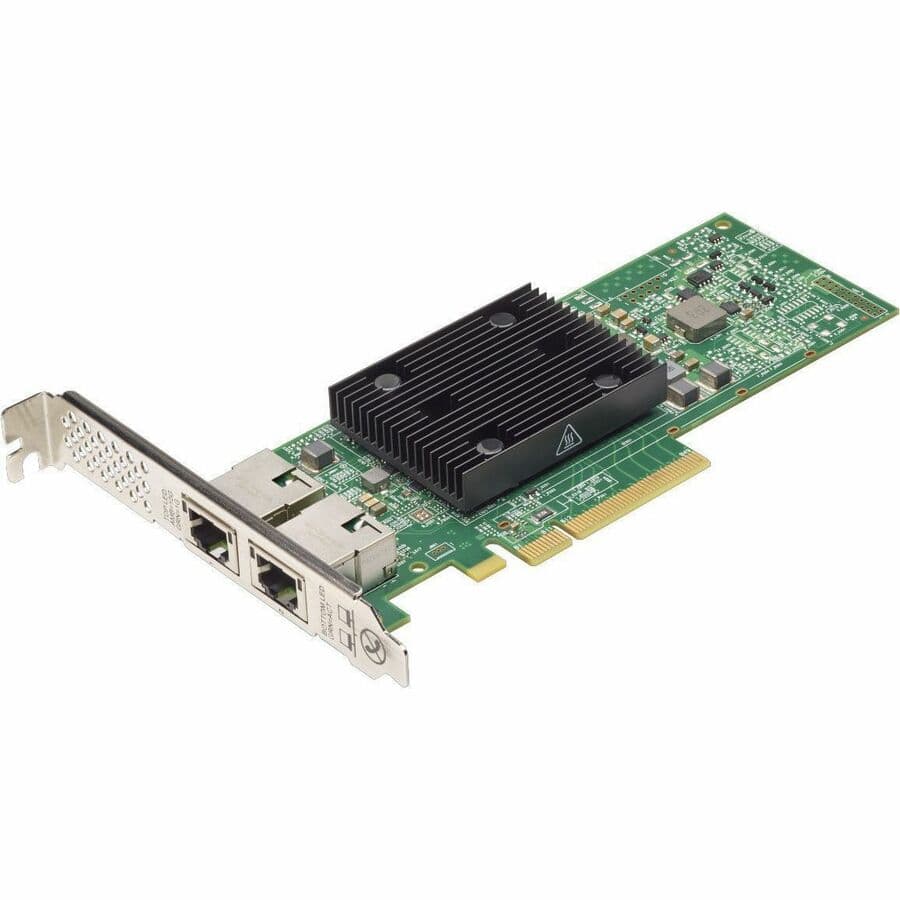
- Accelerate network throughput with two 10 Gb RJ-45 ports
Deliver more bandwidth where copper still makes sense. The Lenovo X550-T2 dual-port CNA adapter brings 10 Gigabit Ethernet over RJ-45 to compatible PCI-E systems, giving infrastructure teams a direct path to higher throughput without reworking the cabling plant.
Dual-port design helps balance performance and slot efficiency. In server environments, that means you can add two high-speed network connections from a single internal card, which is useful for uplinks, storage traffic, or separated production and management paths. RJ-45 connectivity also keeps deployment straightforward in data centers already standardized on copper.
As a CNA-class adapter, this model is positioned for environments that want a more capable network interface than a basic NIC. It is a practical choice when bandwidth, port density, and internal expansion efficiency matter more than low-cost commodity hardware. For teams comparing options, the X550-T2 offers a focused combination of 10 Gb speed, dual-port flexibility, and enterprise-friendly copper connectivity.
Ideal For
- Add 10 Gb copper uplinks to a rack server with limited PCI-E slots
- Support virtualization hosts that need higher east-west network throughput
- Connect storage or backup traffic over RJ-45 in a copper-based environment
- Upgrade a server network path without moving to fiber infrastructure
Why This Product
- 110 Gb ports deliver higher throughput than Gigabit adapters
- 2Dual-port design balances speed and slot efficiency
- 3RJ-45 copper connectivity avoids fiber transceiver dependency
- 4CNA-class positioning suits demanding infrastructure workloads